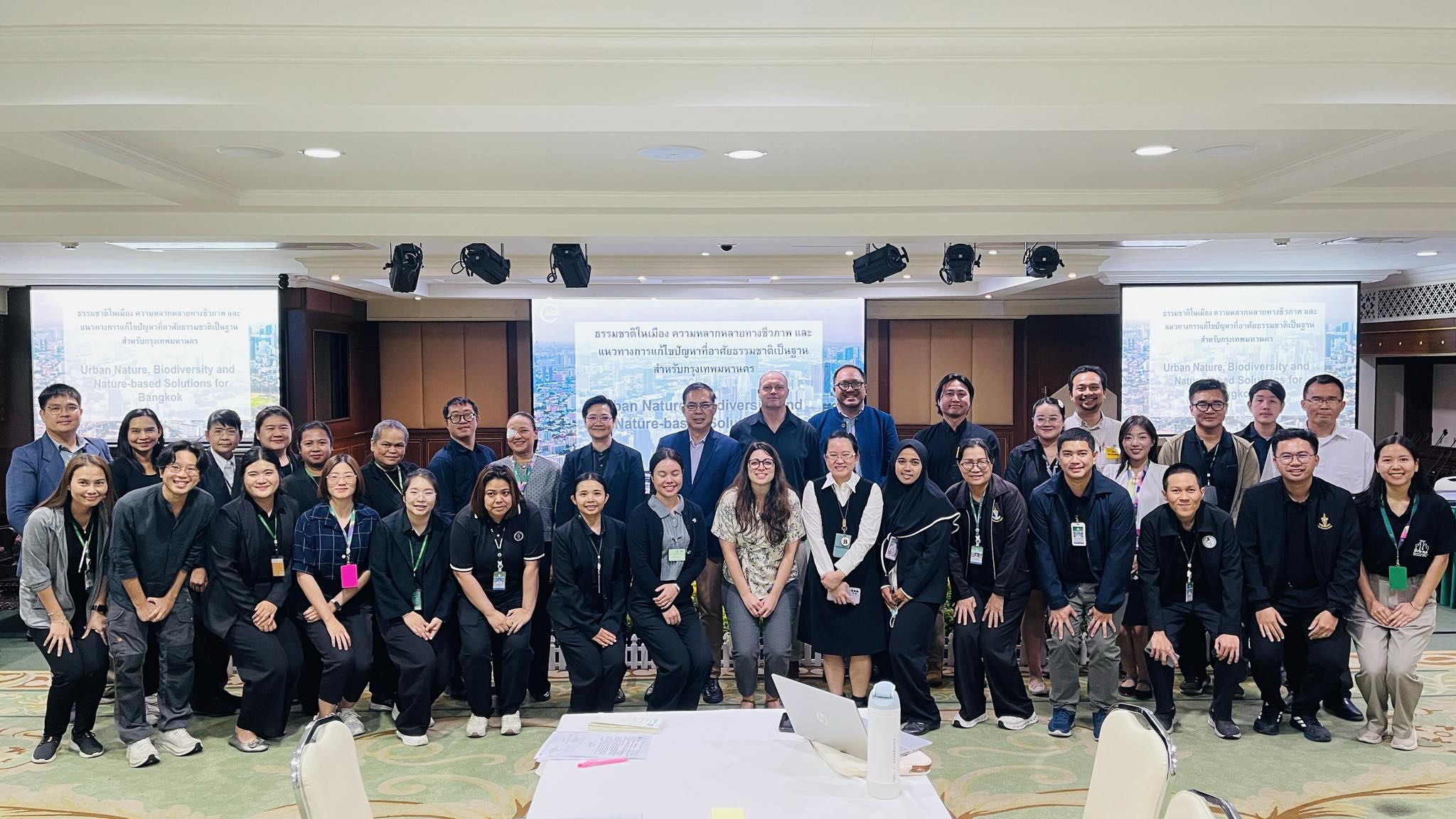
Cities across Asia are increasingly central to delivering global biodiversity goals, and Bangkok offers a compelling example of how urban leadership can translate ambition into action. On 10 March 2026, the Bangkok Metropolitan Administration (BMA) and IUCN convened a dedicated workshop at Bangkok City Hall to explore pathways toward a more biodiversity‑positive city.
The workshop focused on the IUCN Urban Nature Indexes, urban biodiversity planning, and the Berlin Urban Nature Pact, and formed part of the Green Cities Champions Initiative, supported by the Keidanren Nature Conservation Fund. The event brought together officials from multiple municipal departments, alongside civil society and private‑sector representatives, highlighting the city’s commitment to cross‑sectoral collaboration on urban nature.
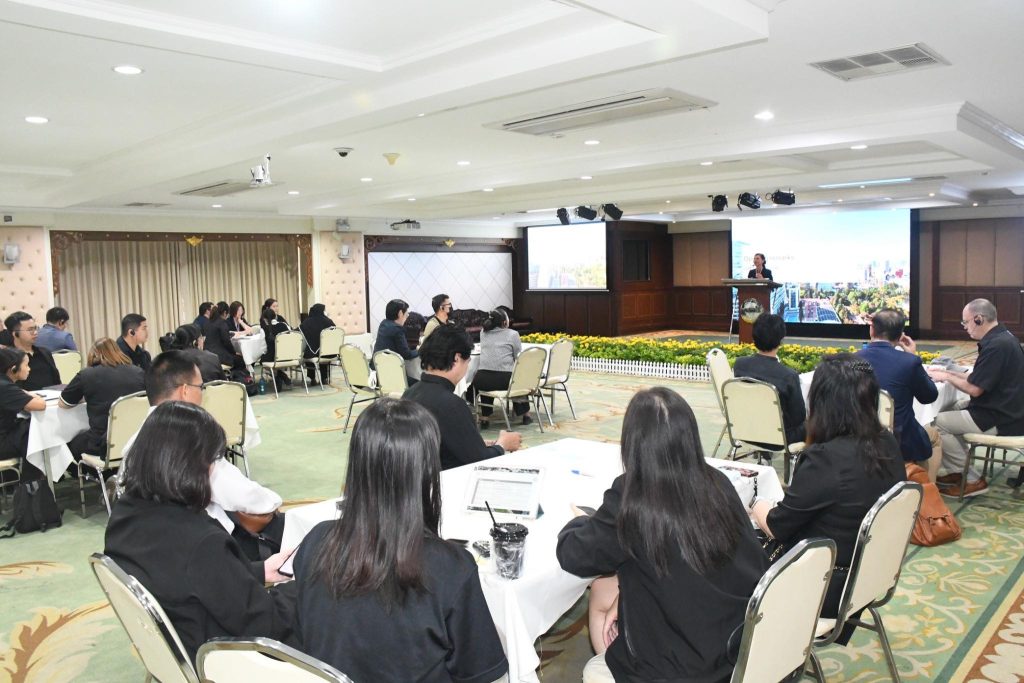
Strengthening capacity across city departments
The workshop was opened by Ms. Waranuch Suaykakao, Director of the Environment Department of the Bangkok Metropolitan Administration, and Dr. Dindo Campilan, Regional Director of the IUCN Asia Regional Office. Their remarks underscored the importance of integrating biodiversity considerations into urban planning, infrastructure, water management and service delivery.
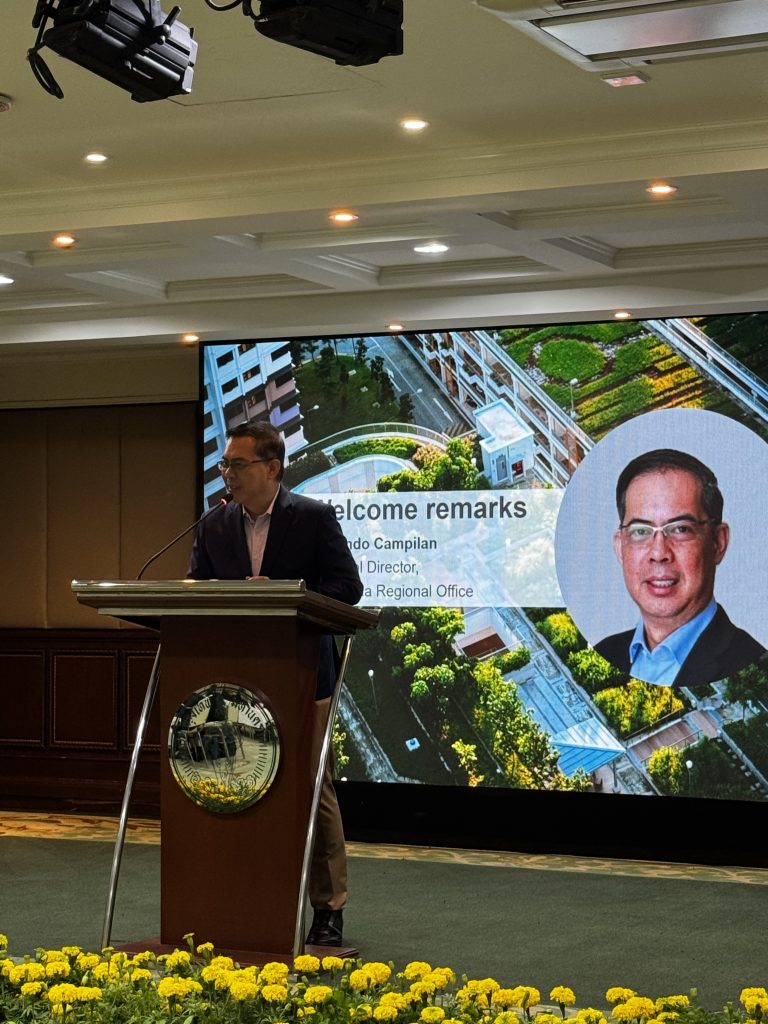
Throughout the day, IUCN shared global perspectives and practical tools, including the IUCN Urban Nature Indexes, the Global Standard for Nature‑based Solutions, and international examples from cities such as Paris and Mexico City. These exchanges were designed to support municipal officials in better understanding how cities can assess their impacts on nature and embed biodiversity into everyday decision‑making.
Addressing Bangkok’s urban nature challenges
A central feature of the workshop was a policy clinic, where participants discussed priority issues to be addressed in Bangkok’s urban biodiversity agenda. Topics raised included human–wildlife interactions in dense urban environments, citizen science, water management, and the role of Bangkok as a wetland city. The interactive discussions also helped identify which urban nature indicators could be most relevant and feasible for Bangkok to apply.
These conversations highlighted the value of practical, city‑specific approaches that reflect local ecological conditions while remaining aligned with global frameworks. They also reinforced the importance of dialogue across departments to ensure biodiversity is integrated coherently into urban policy and planning.
By convening diverse actors around shared challenges and tools, the Bangkok workshop demonstrated how cities can act as drivers of innovation, learning and collaboration in the transition toward more resilient, nature‑positive urban futures.