
At the 13th World Urban Forum (WUF13) in Baku (18–22 May 2026), IUCN contributed to key dialogues on the role of nature in shaping resilient, inclusive and climate-adaptive cities. Through three dedicated sessions, IUCN showcased practical tools, partnerships and policy pathways to integrate biodiversity into urban development.
A central highlight was the session “From Homes to Habitats – Measuring Nature-Positive Housing for Climate Resilience”, jointly convened with UN-Habitat and partners including ICLEI, the Research Centre of Park City Index, FAO and representatives from cities such as Berlin and São Paulo. The session explored how housing can serve as a key entry point for climate adaptation by embedding nature into urban planning and regeneration. It introduced the IUCN Urban Nature Indexes, alongside complementary global assessment tools, to support cities in measuring ecological performance and translating results into planning and investment decisions.
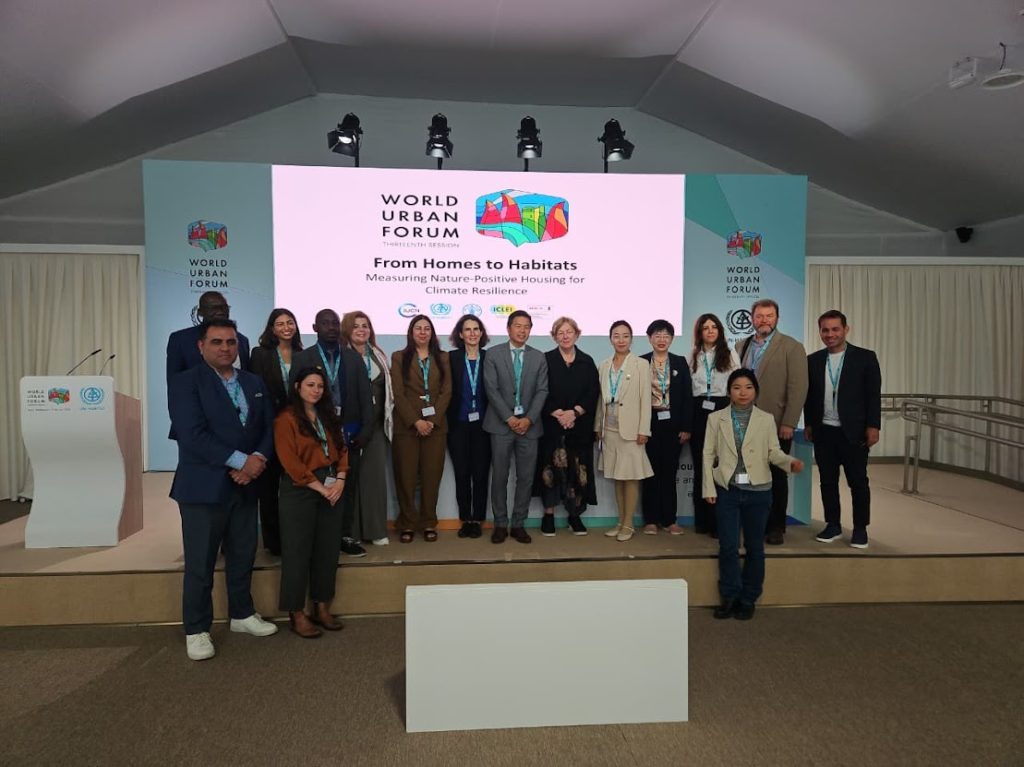
Beyond measurement, the discussion emphasized implementation—highlighting how evidence-based approaches, including biodiversity-friendly regulatory tools and neighbourhood-scale interventions, can deliver safer, healthier and more resilient living environments aligned with the WUF13 theme.
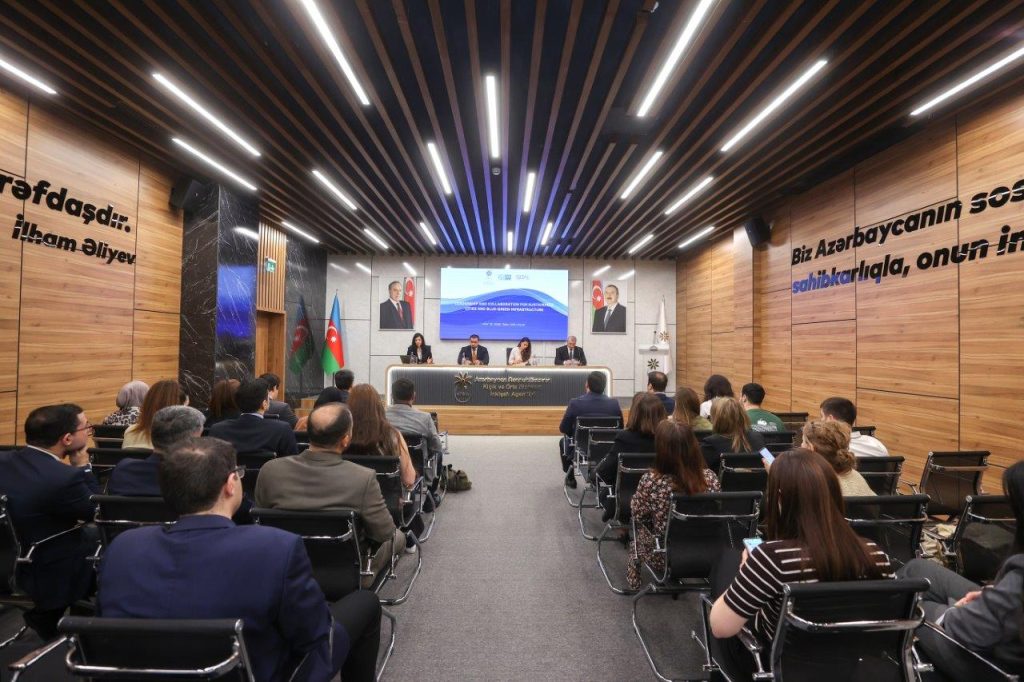
IUCN also contributed to the session “Leadership & Collaboration for Sustainable Cities and Blue-Green Infrastructure”, organized by the Global Oracle Association for Leaders (GOAL) in partnership with Azerbaijan’s Small and Medium Business Development Agency and UNEP. The discussion focused on strengthening leadership, finance and cross-sector collaboration to scale blue-green infrastructure solutions in cities, reinforcing the role of partnerships in advancing nature-based solutions.
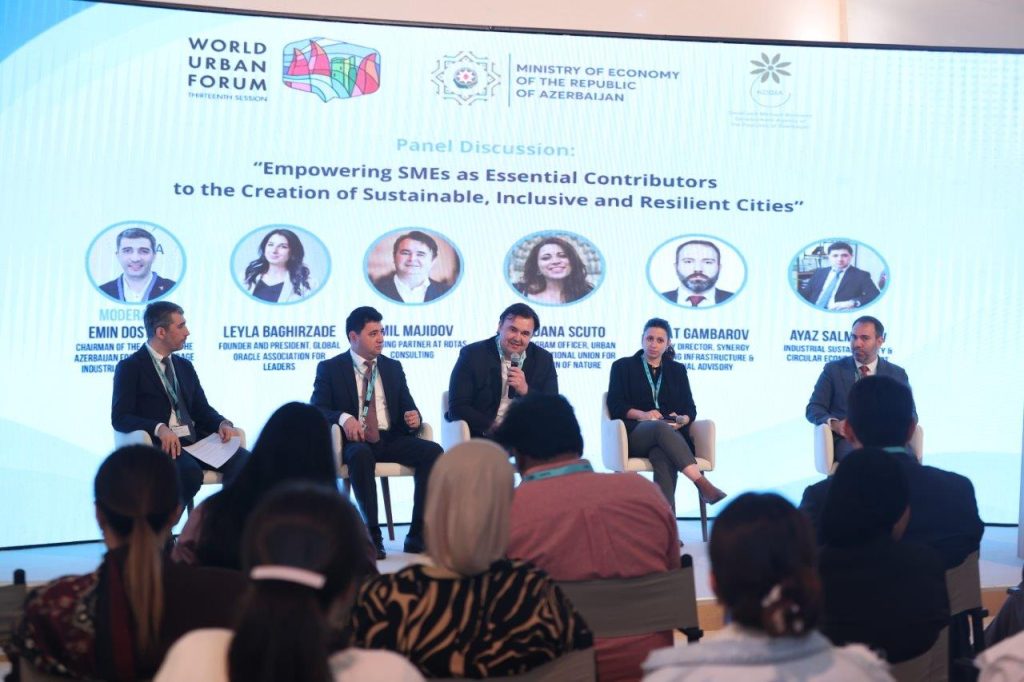
A third session, “Empowering SMEs as essential contributors to the creation of sustainable, inclusive and resilient cities”, highlighted the growing importance of the private sector in urban sustainability transitions. The dialogue showcased how small and medium-sized enterprises can contribute to resilient urban development, while also identifying opportunities for technical support and collaboration to integrate environmental considerations into economic activities.
Across these engagements, WUF13 provided a valuable platform to strengthen partnerships, including ongoing collaboration with UN-Habitat on urban biodiversity monitoring and the joint implementation of assessment frameworks. The Forum reaffirmed IUCN’s role in advancing science-based tools and partnerships to accelerate nature-positive urban transitions globally.